Home > Online Counselling > Kid’s Problems > Child Socially Withdrawn
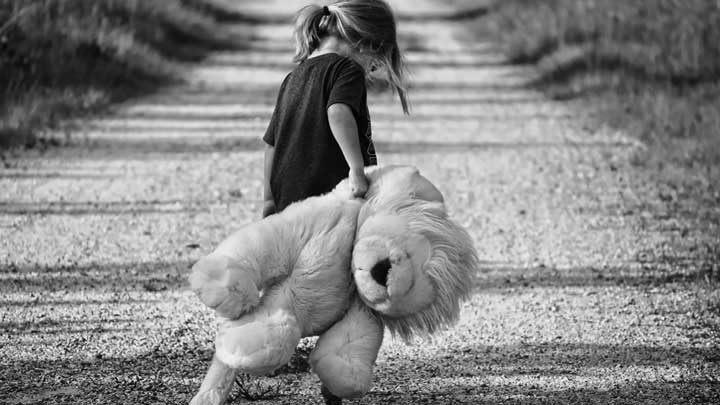
Why Is My Child Socially Withdrawn Around Others?

Explore the causes of social withdrawal in kids

Your child is talkative, playful, even silly—at home. But the moment a guest enters the room, or you’re at a cousin’s wedding, or it’s time to enter a classroom… they go silent. They hide behind your legs, avoid eye contact, or cling tightly to your hand.

And you’re left wondering, “Why can’t they just warm up like other kids?” or worse—“Did I do something wrong?”

If your child opens up at home but withdraws around distant relatives, unfamiliar people, or even classmates they see daily—you’re not alone. This is more common than you think, and it doesn’t mean something is broken. It means your child’s inner world is wired a little differently, and it’s asking for understanding—not pressure.

In this article, we’ll unpack the causes behind selective social withdrawal, when it’s just a personality trait vs. a red flag, and how to gently help your child feel safe and socially empowered in the world beyond your living room.

Some children talk freely at home but withdraw around others. Learn why this happens, what it means for their development, and how to guide them without pressure.

How Common Is Social Withdrawal in Kids?

More common than most parents realize.

Studies show that around 15–20% of children are born with a more “inhibited” temperament. These children are slower to warm up, highly observant, and cautious in new situations. They often thrive in quiet, predictable environments—like home—but freeze up when faced with unfamiliar social dynamics.

Unlike shy children who might eventually speak up in social situations, socially withdrawn children often avoid interaction altogether or show physical discomfort: looking away, covering their face, whispering only to caregivers, or avoiding groups completely.

This pattern is especially visible in:

  • Preschool drop-offs where the child clings or cries daily
  • Birthday parties or family gatherings where they stay near a parent the entire time
  • Classrooms where they avoid raising their hand or playing with peers during free time

The key here? It’s not that they can’t interact. It’s that they don’t feel safe—or prepared—yet.

Why Is My Child Withdrawn—Only Outside the Home?

This behavior can feel puzzling. “They’re so confident at home—what’s happening out there?” Here are the most common root causes:

  • 1. Temperament: Some kids are biologically wired with a more sensitive nervous system. They process new environments deeply, and that processing takes time—so they stay quiet or distant until they feel safe.
  • 2. Emotional Safety and Familiarity: At home, your child feels seen, known, and emotionally held. Outside, everything is new—faces, rules, expectations. That triggers caution, not excitement.
  • 3. Fear of Judgment: Some children worry deeply about “saying the wrong thing” or being laughed at. Their withdrawal is a self-protective shield against embarrassment.
  • 4. Previous Negative Social Experiences: If they’ve been teased, ignored, or reprimanded in past group settings, their brain remembers—and guards them from repeating the pain.
  • 5. High Sensory Sensitivity: Noise, chaos, or unpredictable behavior from peers can overwhelm a child with sensory processing sensitivity, pushing them inward rather than outward.
  • 6. Social Anxiety or Selective Mutism (in some cases): If the silence is extreme or consistent (especially in school settings), it may go beyond shyness and warrant deeper exploration.

These causes don’t point to a flaw in your child—they point to a different way of experiencing the world.

What Can Social Withdrawal Lead To Long-Term?

If supported well, many socially cautious children grow into empathetic, deep-thinking adults. But if misunderstood or constantly pushed, withdrawal can turn into emotional shut-down, shame, or anxiety.

Potential effects of untreated or unsupported social withdrawal include:

  • 1. Missed Social Skill Building: If a child never gets to practice friendships, conflict resolution, or teamwork, they fall behind socially even if they’re smart academically.
  • 2. Lower Self-Esteem: Constantly comparing themselves to “confident” peers may make your child feel broken or “less than.”
  • 3. Mislabeling: Teachers, relatives, or even parents might call them rude, disrespectful, or “antisocial”—deepening the child’s insecurity.
  • 4. Emotional Bottling: If they can’t express themselves outside home, emotions stay stuck inside—leading to meltdowns or anxiety in safe spaces like home.
  • 5. Social Anxiety Later in Life: Without early support, avoidance patterns harden into deeper fears that can persist into middle school and beyond.

But here’s the good news: social confidence is teachable. And with the right strategies, you can help your child unfold socially—without rushing, comparing, or forcing.

Helping a Withdrawn Child Feel Socially Safe

You don’t need to “fix” your child. You just need to help them feel safe and supported in environments that feel too big or loud right now.

Here’s how you can gently support your child’s social growth:

  • 1. Prepare Before Social Settings: Talk about where you’re going, who’ll be there, and what to expect. Familiarity lowers fear.
  • 2. Avoid Labels: Don’t call your child “shy” in front of others. Labels can make them feel stuck. Instead say, “They like to take their time to warm up.”
  • 3. Stay Nearby—But Not Over-Involved: Be their anchor in new places, but avoid speaking for them or rescuing them too fast.
  • 4. Celebrate Small Social Wins: If they wave to a neighbor or say hello to a peer, reflect that gently: “I saw how brave you were.”
  • 5. Set Up Low-Pressure Playdates: Start with one-on-one play in familiar environments. Keep it short and sweet.
  • 6. Practice Role Play at Home: Pretend to be classmates or guests. This gives them a script and reduces anxiety about what to say.
  • 7. Avoid Comparing to Others: Social development is not a race. Help them celebrate who they are—not who they’re not.

And remember—if you don’t know exactly what’s behind your child’s quietness, a tool like the LiveMIS Personality Report can offer emotional insight based on temperament, not just behavior.

Raising a Quiet Child with Loud Confidence

Confidence doesn’t always look like the loudest kid in the room. Sometimes it looks like the quiet one who’s finally brave enough to speak up in class—or ask a friend to play at recess.

Children like Emma Stone and Keanu Reeves have spoken about being quiet and withdrawn as kids—yet they’ve gone on to live expressive, creative lives. Their confidence didn’t come from pressure. It came from space and support.

Celebrate progress over performance. Every small moment of courage is a step toward long-term social strength.

Use LiveMIS to Understand Their Inner World

If your child shuts down around others but blossoms at home, there’s something going on beneath the surface—and LiveMIS can help uncover it.

  • Child Personality Test: Learn whether your child’s social behavior stems from introversion, fear of rejection, sensory overload, or emotional processing speed.
  • Parenting Style Quiz: Understand how your feedback and approach might be amplifying or soothing your child’s anxieties.
  • Spouse Compatibility Tool: Helps co-parents present a united, consistent social strategy—reducing confusion or accidental pressure on the child.

These aren’t just assessments—they’re clarity tools. So you can guide your child from the inside out.

Your Quiet Child Has a Lot to Say

Social withdrawal doesn’t mean your child is broken, rude, or incapable. It means their social engine runs differently—and that’s okay.

With preparation, support, and emotional insight, your child can build the courage to step out, speak up, and connect. It might not happen fast—but it will happen in their own time, and in their own way.

You’re not rushing them. You’re walking with them. And LiveMIS is here to help light the path ahead.

Translate »