When Screens Babysit: The Real Cost on Child Growth
Excessive screen time is replacing real play, movement, and emotional growth. Learn how digital babysitting affects your child’s development—and what you can do instead.
Home > Parenting Challenges > Parenting Mistakes > Comparing Child
“Don’t compare your kids”—it’s one of the most common pieces of parenting advice. But what happens when you find yourself doing it anyway? Whether it’s praising one child’s grades or admiring a friend’s child’s behavior, comparison is almost instinctive. Sometimes it’s harmless. Sometimes it hurts. And occasionally, it seems to work. So what’s the truth? Should comparison ever be used as a parenting strategy—or is it always a recipe for resentment? This article explores the complex effects of comparison, when it may be helpful, and what to say instead to encourage your child without damage.
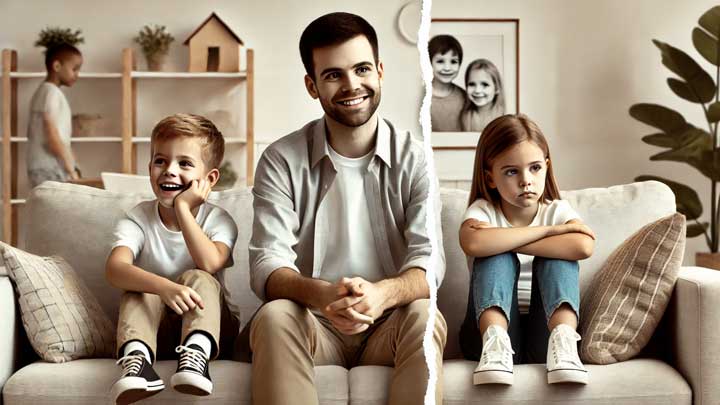
Comparing children means measuring one child’s behavior, skills, or performance against another’s—often to highlight a gap, inspire change, or express frustration. It can be direct (“Why can’t you be more like your brother?”) or subtle (“Your sister never gave us this much trouble.”). While often unintentional, these moments send powerful messages about worth, expectations, and acceptance. Even internal comparisons—thoughts we never say out loud—can affect how we treat our kids. The key issue is whether the comparison builds your child up or tears them down.

Excessive screen time is replacing real play, movement, and emotional growth. Learn how digital babysitting affects your child’s development—and what you can do instead.

Adapting is good—but switching parenting styles too often leads to chaos. Here’s how inconsistency harms your child and how to parent with both flexibility and clarity.

Positive parenting emphasizes mutual respect, empathy, and effective communication to create a harmonious and supportive family dynamic.

Secondary parenting emphasizes the role of extended family or caregivers in nurturing a child’s growth. Learn how to build harmony with primary parenting efforts.

Want better grades for your child? These 10 simple, proven strategies help parents support school performance—without stress or turning into a drill sergeant.
Children thrive when they know they’re valued *for who they are*, not just how they measure up. Every child has a unique rhythm, style, and set of strengths. When you celebrate that individuality, confidence blooms. Even if you’ve compared in the past (we all have), it’s never too late to shift. Start noticing your child’s wins—no matter how small—and watch how they begin to notice them too. You’re not just parenting. You’re shaping self-worth.
Our quiz isn’t about judgment—it’s about awareness. It helps you understand how you respond to challenge, praise, and performance—so you can parent with intention. By knowing your style, you can spot when comparison might creep in, and replace it with curiosity and encouragement. Your child doesn’t need to be like anyone else. They just need a parent who sees *them* clearly. This parenting style quiz is the first step.
Comparison is easy—but connection is powerful. The next time you catch yourself measuring your child against someone else, pause. Then, look for their effort, their joy, their uniqueness. That’s where real growth begins—not in a race against others, but in a relationship built on seeing your child for exactly who they are. That’s not just parenting—that’s love, well-placed.