Is My Wife Overprotective or Am I Overthinking?
When one parent becomes overly protective, it can create confusion and conflict. Here’s how to tell if it’s a problem—and what to do next.
Home > Parenting Challenges > Parenting Mistakes > Moms Blamed for Poor Performance
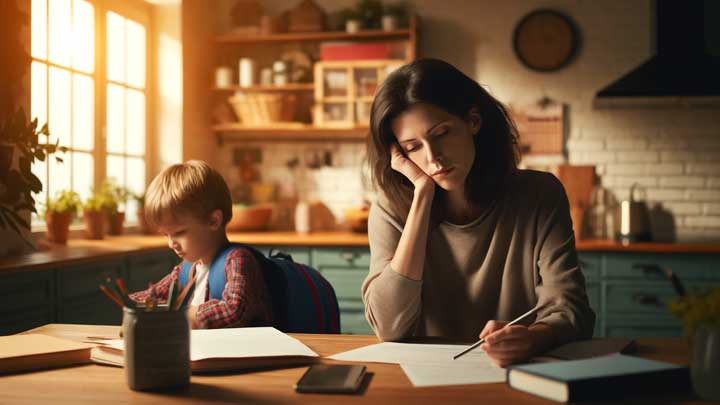
When a child isn’t performing well at school, there’s a silent glance that often turns toward the mother—especially if she’s a stay-at-home mom. “You’re home all day… how could this happen?” It’s an unspoken judgment that carries a heavy emotional burden. But is this fair—or even accurate? This article unpacks the invisible expectations placed on non-working mothers, explores why they often carry the brunt of blame, and why that narrative desperately needs to change. Because parenting isn’t just about presence—it’s about support, teamwork, and understanding the many layers behind a child’s struggles.
Stay-at-home mothers are often seen as the “default parent”—responsible for academics, emotions, nutrition, behavior, and every missed assignment. The assumption is that time equals control: if you’re not working outside the home, then your child should be thriving in every area, especially school. But this view overlooks critical factors like learning differences, classroom dynamics, emotional health, and shared parental roles. Just because a mother is home doesn’t mean she’s superhuman—or that school performance is solely her domain. Parenting is a partnership, and education is a three-way collaboration between school, home, and the child.

When one parent becomes overly protective, it can create confusion and conflict. Here’s how to tell if it’s a problem—and what to do next.

Faith-based parenting integrates religious teachings and practices into daily life, nurturing a child’s moral compass and emotional resilience.

Show-off parenting focuses on external validation rather than a child’s genuine needs. Learn its impacts and ways to prioritize children’s growth over appearances.

Helicopter parenting offers guidance and oversight but can hinder independence. Discover strategies to balance involvement with fostering resilience.

Unconditional parenting emphasizes love and acceptance regardless of performance, nurturing emotionally secure and confident children.
To every stay-at-home mom wondering if she’s to blame for her child’s struggles: you are not failing—you are holding up an entire emotional universe. Just because you’re not bringing in a paycheck doesn’t mean your work isn’t invaluable. You are your child’s safe place, sounding board, advocate, and anchor. And yes, school struggles happen. But growth begins with love, not shame. Start by showing yourself the compassion you give so freely to your child. That’s not just enough—it’s powerful.
Our parenting style quiz can help you recognize the unique strengths and stress patterns you bring to your child’s learning life. It’s not about labeling—it’s about understanding. Use it to reflect on your communication, expectations, and emotional load. Share it with your partner too—so you both can step into parenting with shared clarity and compassion. Let’s stop asking “who’s to blame?” and start asking “how can we support each other?”
Non-working mothers already carry more than most people see. When their children struggle, it should be a call for support—not scrutiny. Let’s replace finger-pointing with empathy, and assumptions with honest conversation. Parenting isn’t a solo performance. It’s a shared journey—and no one should walk it carrying blame alone.